How Drug Abuse May Lead to Domestic Violence
📅 2026 Update: Changes in Domestic Violence and Drug Abuse Relations
Since the original article was published, there have been no specific legislative changes concerning the connections between drug abuse and domestic violence in the United States. This means the relationship between these two issues remains under ongoing discussion without new laws to directly address them. Readers can find more detailed information in the sections that follow.
🚨 Current Fees and Costs
- 💰 Costs for legal actions related to domestic violence, such as filing for protective or restraining orders, can vary significantly by state and jurisdiction. It’s important for individuals to check with local court resources or legal aid organizations for the latest information on fees.
⏳ Processing Times
- 📅 Processing times for protective or restraining orders also differ depending on where you live. In some states, temporary orders can be issued within 24 to 48 hours, while permanent orders might take several weeks. Checking local court resources will provide accurate timelines for your area.
📝 Forms and Steps
- 🖊️ Filing for protective or restraining orders involves completing a petition that details the abuse. This petition must be submitted to the court, and a hearing will follow. The exact forms and procedures can vary by state laws and local court rules, so it’s crucial to be aware of the requirements in your area.
🕒 Deadlines
- ⏰ Deadlines for filing protective or restraining orders are determined by state laws and the nature of the abuse experienced. Some jurisdictions may have statutes of limitations that range from a few months to several years, making it essential to consult local legal resources for specific information.
📌 Key Points Summary
- No new laws about drug abuse and domestic violence as of 2026.
- Costs and processing times for legal actions vary by state.
- Filing procedures depend on local court rules.
- Deadlines for filing can differ based on jurisdiction.
💡 Tips for Recognizing and Addressing Domestic Violence
Reviewing the details of your specific situation with an attorney is essential for receiving accurate guidance.
🔍 Understanding Eligibility
- ✔️ Eligibility for protective or restraining orders generally includes individuals who have faced abuse from a current or former intimate partner, family member, or household member. Each state may have different criteria, so it's important to verify your eligibility based on local laws.
📞 Utilizing Hotlines
- 📞 Hotlines like the National Domestic Violence Hotline offer confidential support 24/7. Their services can help victims understand their options and get the assistance they need during difficult times.
🏠 Finding Local Shelters
- 🏠 Local shelters and support services are available in many communities to assist domestic violence victims. These services may include shelter, counseling, and legal assistance. Reaching out to local law enforcement or hotlines can help you find these resources.
📑 Preparing for Court
- 📑 Preparing for court hearings is critical. Gather any evidence related to the abuse, such as photographs, messages, or witness statements. This preparation can strengthen your case for obtaining protective or restraining orders.
📚 Learning About the Cycle of Abuse
- 🌀 Understanding the cycle of abuse can help individuals recognize patterns in their relationships. The cycle includes phases of tension-building, incident, reconciliation, and calm. Recognizing these phases can empower victims to seek help.
❓ Frequently Asked Questions
❔ What should I do if I am in immediate danger?
If you are in immediate danger, call 911 or your local emergency services right away. Your safety is the top priority.
📅 How long does it take to get a protective order?
The time to get a protective order varies by jurisdiction. Some states may issue temporary orders within 24 to 48 hours, while permanent orders can take several weeks.
🔍 What information do I need to file for a protective order?
To file for a protective order, you typically need to complete a petition detailing the abuse. Specific forms and requirements vary by state, so it's essential to check local rules.
🏠 What resources are available for domestic violence victims?
Victims can access local shelters, counseling services, and legal assistance. The National Domestic Violence Hotline is a key resource providing support 24/7.
📜 Are there deadlines to file a protective order?
Yes, deadlines for filing protective orders depend on state laws and the nature of the abuse. Some states have statutes of limitations that can range from a few months to several years.
🌐 Can I get help if I can't afford legal fees?
Many local organizations and hotlines offer free or low-cost services for victims of domestic violence. These resources can help with legal assistance and shelter options.
⚖️ Recent Cases Related to Domestic Violence and Drug Abuse
Recent court rulings may reflect ongoing issues related to domestic violence and drug abuse, emphasizing the importance of understanding these connections.
- New York court upholds assault conviction in domestic violence caseAppellate Division of the Supreme Court of the State of New York · June 11, 2026
- Court upholds convictions in Albany assault and drug caseAppellate Division of the Supreme Court of the State of New York · June 11, 2026
- New York court affirms conviction of Sandra Tavares in assault caseAppellate Division of the Supreme Court of the State of New York · June 11, 2026
- Ohio Court affirms convictions in sexual assault case against MannOhio Court of Appeals · June 11, 2026
To explore more recent rulings, visit the more rulings on the news page.
End of October 2026 Update
What is Drug Abuse?
Narcotics – or ‘drugs’ – are defined as illegal substances whose usage, possession, and exchange is classified as criminal offense. Within the realm of narcotics, various types of drugs exist; each individual drug retains an individual level of additive properties, effects of usage, and physiological ramifications resulting from its respective usage. Drug abuse is classified as the illicit, improper, or excessive usage of illegal drugs, as well as controlled substances.
Controlled Substances and Drug Abuse
Controlled Substances are defined as items whose usage and possession is inherently legal only in the event that the individual in possession is in ownership of the expressed, authoritative permission to do so; individuals engaging in the usage or possession of such substances are liable to be charged with drug charges congruent with illegal drug charges.
For example, a prescription for pain medication from an accredited physician allows an individual to be in possession of such medication; the illegal sale of that medication to authorized individuals is considered to be a crime – regardless of a substance classified as illegal or controlled, addiction or excessive usage is classified as drug abuse.
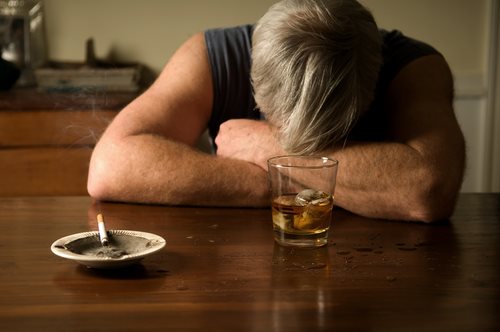
Drug Abuse and Domestic Violence
Although an abuser may not be abusive in nature, drug abuse or drug addiction may elicit abusive behaviors and activities; the following types of domestic violence or spousal abuse may result from the effects of drug abuse undertaken by one or both partners in a romantic relationship:
Neglect and Drug Abuse
Drug abuse may lead to excessive usage or addition to narcotics, resulting in the irresponsible spending of monies or funds, as well as the theft of monies belonging to a partner of a romantic relationship. As a result, neglect is described as delinquency with regard to the provision of the well-being and welfare with a romantic partnership.
Emotional Abuse and Drug Abuse
Emotional and Psychological will typically include verbal insult or emotional debasement; the effects of abuse of this nature is considered to be amongst the most difficult to identify.
Sexual Abuse and Drug Abuse
Sexual Abuse may contain inappropriate sexual activity undertaken with a spouse or partner, including spousal rape, sexual harassment, and molestation.
Physical Abuse and Drug Abuse
Physical Abuse may include the assault, attack, and harming of one or both partners of a romantic relationship through the use of force, violence, or any other variety of physical means intended for bodily harm; physical trauma and injury are common effects of abuse of this nature
Reporting Drug Abuse and Domestic Violence
Despite the alarming numbers expressed within available Domestic Violence Facts, many Domestic Violence acts go unreported; in the event that an individual has been made aware of ongoing Domestic Violence, or has been involved within Domestic Violence cases that have occurred in the past, they are encouraged to contact their local authorities or law enforcement department in order to report the details of the offense:
A multitude of resources and assistance exist; please contact the appropriate government department, such as the National Domestic Violence Hotline through their 24-hour telephone number: (800) 799-7233
To report addiction or drug abuse, please contact the Partnership for a Drug-Free America through their telephone number (212) 922-1560